
Essential Guide to Padel Court Measurements for Perfect Play
Construction, Sports
June 19, 2026
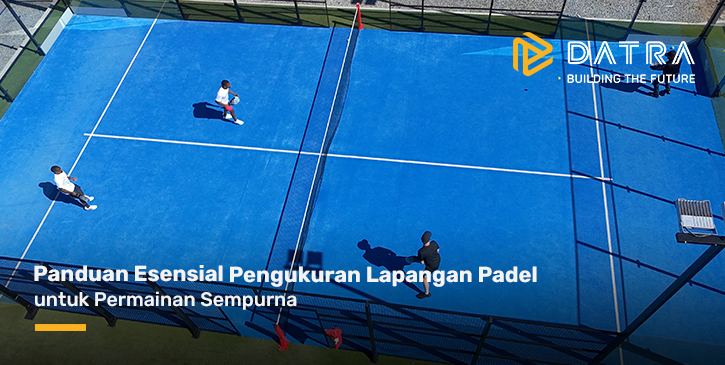
Unlock your padel potential with our essential guide to court measurements. Discover how the right dimensions can enhance your gameplay and strategy!
Standard Padel Court Dimensions
The foundation of an excellent padel game lies in understanding the standard court dimensions. A standard padel court measures 10 meters wide by 20 meters long, providing enough space for intense, yet controlled gameplay. This size ensures that players have ample room to execute strategic moves without overwhelming the court with excessive running. The net divides the court into two equal parts, each measuring 10 meters by 10 meters.
Ensuring that these dimensions are strictly adhered to is crucial for maintaining uniformity across different courts. Uniform dimensions help players develop a consistent playing style and strategy. Whether you're playing on a court in Spain or one in Argentina, the familiarity of the dimensions allows you to focus on your game rather than adjusting to a new environment.
Moreover, the court's dimensions are designed with both singles and doubles play in mind. While doubles is more common, singles padel uses the same court size, which can make for a more challenging game as players cover more ground. The standard dimensions thus cater to a versatile playing experience, accommodating various match formats without compromising on the quality of play.
Key Measurements for Padel Court Construction
Constructing a padel court involves more than just marking out the standard dimensions. Key measurements, such as the height of the walls and the distance between different elements, play a significant role in the court's overall functionality.
- The side walls, for example, should be at least 3 meters high, extending up to 4 meters at the ends. This height is essential for the walls to effectively serve their purpose in the game, allowing the ball to bounce off and remain in play.
- The distance between the court's surface and the bottom of the net also requires careful consideration. The net should stand at 88 centimeters in the center and 92 centimeters at the sides. This slight variation ensures that the net is taut and maintains the proper tension during play. Incorrect net height can disrupt the flow of the game and give an unfair advantage to one side.
- Additionally, the distance between the service line and the net is critical. The service line should be positioned 3 meters from the net, providing players with enough space to execute their serves effectively.
Properly marking these key measurements ensures that the court meets official standards and provides a fair playing field for all participants.
The Importance of Court Surface Material
The surface material of a padel court significantly impacts gameplay. Traditionally, padel courts have been constructed with artificial grass, concrete, or acrylic. Each of these materials offers distinct advantages and disadvantages that can affect the speed and bounce of the ball.
- Artificial grass, for instance, provides a slower game with higher bounce, making it easier for players to anticipate ball movement and strategize accordingly.
- In contrast, concrete courts offer a faster game with lower bounce. This can be advantageous for players who prefer a quick, aggressive style of play. However, the harder surface can also be taxing on the body, leading to increased risk of injuries such as joint strain.
- Acrylic surfaces strike a balance between the two, offering moderate speed and bounce, making them a popular choice for many padel facilities.
The choice of surface material also affects maintenance requirements and longevity. Artificial grass, while offering excellent playability, requires regular upkeep to maintain its quality. Concrete and acrylic surfaces are more durable and require less frequent maintenance, but they can become slippery when wet, posing safety risks. Selecting the appropriate surface material is thus a crucial decision that can influence both the quality of play and the long-term sustainability of the court.
Understanding Padel Court Layout and Design
The layout and design of a padel court extend beyond mere dimensions and surface material. Proper layout involves strategic placement of various elements to ensure smooth gameplay and player safety.
- For instance, the positioning of the doors is essential; they should be located at the center of the side walls to facilitate easy entry and exit without disrupting ongoing play. This design consideration helps in minimizing interruptions and maintaining the flow of the game.
- The design also includes the placement of the service boxes, which are crucial for initializing play. Each half of the court features two service boxes, marked by lines that are 5 meters from the net and run parallel to it. These boxes ensure that serves are directed toward specific areas, adding an element of precision and strategy to the game. Properly marked service boxes are essential for fair play and help avoid disputes over serve placement.
- Additionally, the court’s fencing or glass walls play a vital role in defining the playing area and providing a rebound surface for the ball. The walls should be transparent to allow spectators a clear view of the game while being sturdy enough to withstand the ball's impact.
The combination of strategically placed elements and thoughtful design ensures that the court is both functional and aesthetically pleasing, enhancing the overall padel experience.
Net Height and Specifications in Padel
The net is a central feature in padel, and its height and specifications are critical for ensuring a fair game. As mentioned earlier, the net should be 88 centimeters high at the center and 92 centimeters at the sides. This slight gradient is designed to accommodate the natural sagging of the net, ensuring that it remains taut and functional throughout the match. A properly maintained net height ensures that shots clear the net consistently, maintaining the game's integrity.
The net itself should be made of durable, weather-resistant material. This is particularly important for outdoor courts, where the net is exposed to the elements. High-quality nets are typically made from polyethylene or polyamide, which offer excellent durability and resistance to wear and tear. Investing in a quality net not only enhances gameplay but also reduces the need for frequent replacements, making it a cost-effective choice in the long run.
In addition to the height and material, the tension of the net is also crucial. The net should be tightly secured to the posts, which are typically positioned 10 meters apart. Proper tension ensures that the net doesn't sag excessively, which can affect the ball's trajectory and disrupt the game. Regularly checking and adjusting the net tension is a simple yet effective way to maintain optimal playing conditions on the padel court.
Lighting Requirements for Padel Courts
Adequate lighting is essential for padel courts, especially for those that host evening matches. Proper lighting ensures that players can see the ball clearly, react quickly, and execute their shots accurately.
- For outdoor courts, the lighting system should be designed to minimize shadows and provide uniform illumination across the entire playing surface. Typically, a padel court requires around 200 lux for recreational play and up to 500 lux for professional matches.
- The placement of the lighting fixtures is also crucial. Lights should be positioned at a height of 6 meters or more and be strategically located around the court to provide even coverage. Avoid placing lights directly above the net or in positions that can cause glare, as this can impair players' vision and affect gameplay. Modern LED lighting systems are an excellent choice for padel courts, offering energy efficiency, longevity, and superior illumination quality.
- For indoor courts, the lighting requirements are similar, but additional considerations such as ceiling height and ventilation need to be addressed. Ensuring that the lights do not generate excessive heat or obstruct ventilation systems is important for maintaining a comfortable playing environment.
Regular maintenance of the lighting system, including cleaning and bulb replacement, is essential to ensure consistent performance and optimal visibility on the court.
Accessibility Considerations for Padel Courts
Creating an inclusive environment is important for the growth and popularity of padel. Accessibility considerations ensure that players of all abilities can enjoy the game.
- This includes providing wheelchair access to the court, with wide doors and pathways that accommodate mobility devices. The surface should be smooth and free of obstacles, allowing for easy movement around the playing area.
- In addition to physical accessibility, courts should also consider the needs of players with visual or hearing impairments. For example, contrasting colors can be used to mark the boundaries and lines, making them easier to see. Audio cues or visual signals can also be integrated into the game to assist players with hearing impairments. These small adjustments can make a significant difference in ensuring that everyone has the opportunity to participate in and enjoy padel.
- Facilities should also provide accessible amenities, such as restrooms and seating areas. Ensuring that these areas are designed with accessibility in mind helps create a welcoming environment for all players and spectators.
By prioritizing accessibility, padel courts can foster a more inclusive and diverse community, promoting the sport's growth and reaching a broader audience.
Common Mistakes in Padel Court Measurements
Despite the best intentions, mistakes in padel court measurements can occur, leading to issues that affect gameplay and player satisfaction.
- One common mistake is incorrect net height, which can disrupt the flow of the game and give an unfair advantage to one side. Ensuring that the net is properly measured and maintained is crucial for fair play.
- Another common error is improper marking of the service boxes and boundary lines. Inaccurate markings can lead to disputes over serve placement and boundary calls, detracting from the enjoyment of the game. Regularly checking and repainting the lines as needed can help maintain the court's integrity and prevent such issues.
- Furthermore, inadequate consideration of surface material can lead to problems such as excessive wear and tear or unsafe playing conditions. Choosing the right surface material and maintaining it properly is essential for providing a high-quality playing experience.
Regular inspections and maintenance can help identify and address issues before they become significant problems, ensuring that the court remains in optimal condition for play.
Conclusion and Final Tips for Perfect Play
In conclusion, understanding and adhering to the correct padel court measurements is essential for creating an optimal playing environment. From the standard dimensions and key measurements to the choice of surface material and lighting requirements, each element plays a crucial role in enhancing gameplay and ensuring player satisfaction. By prioritizing accessibility and avoiding common measurement mistakes, padel courts can provide a welcoming and enjoyable experience for all players.
For those looking to build or maintain a padel court, attention to detail and regular maintenance are key. Ensuring that the court meets official standards and is well-maintained can enhance the quality of play and attract more participants to the sport. Whether you're a player, coach, or facility manager, understanding the importance of accurate court measurements and proper maintenance can help you unlock the full potential of padel and enjoy the game to its fullest.
With this essential guide to padel court measurements, you're now equipped with the knowledge to create a perfect playing environment. By focusing on the details and prioritizing player experience, you can enhance your gameplay, develop effective strategies, and enjoy the dynamic and exciting sport of padel to its fullest. Happy playing!
Datra Internusa is Indonesia’s leading sports infrastructure specialist, with more than 44 years of project experience in stadium construction, sports court systems, synthetic turf, running tracks, hardwood sports flooring, and facility upgrades. The company operates under the Datra Internusa brand for large-scale and complex projects, and under the Datra Sports brand for smaller, faster-turnaround requirements.
For padel court surfacing materials, equipment packages, and installation support across Indonesia, contact Datra Sports at sales@datra.id or visit datra.id to connect via WhatsApp.
Related Blogs

FIBA-Standard Basketball Flooring: Why Wood Is the Standard, and How Junckers Meets It
Construction, Sports
October 14, 2026

World Athletics Standard Running Track: The Complete Guide to Specifications, Construction, and Certification
Construction, Sports
July 22, 2026
Complete Volleyball Court Guide: FIVB & PBVSI Standards for Indoor and Outdoor Courts
Construction, Sports
July 16, 2026
